



Esketamine Treatment for Depression in Dubai
When antidepressants haven’t provided enough relief, there may be another option. At Monarch Health Centers we offer esketamine nasal spray treatment for eligible adults with treatment-resistant depression — delivered in a calm, private setting in Dubai Healthcare City by a consultant psychiatrist and a dedicated clinical nurse.
Book a Consultation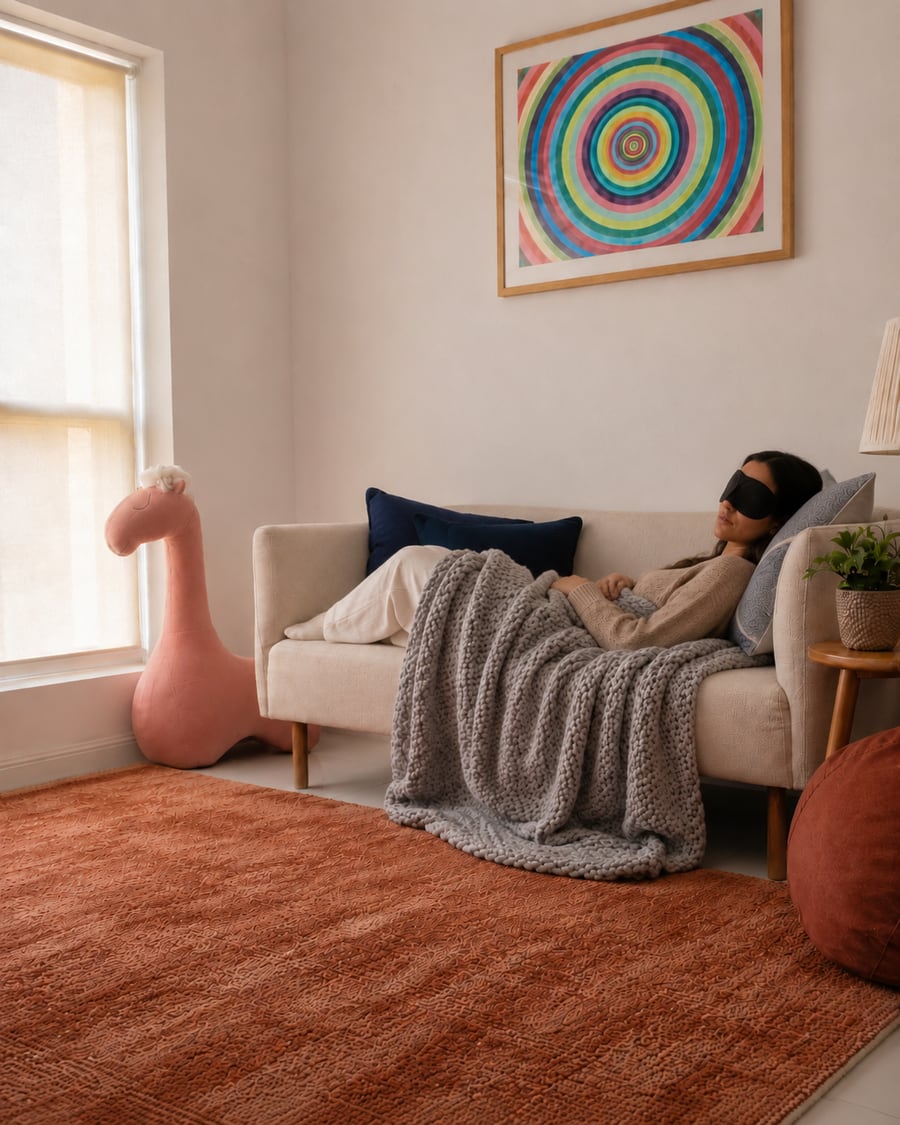
What is esketamine?
Esketamine is a nasal spray medication approved in the UAE for adults with depression that has not responded to conventional antidepressants.
Most antidepressants work on the serotonin system in the brain and can take several weeks before any change is felt. Esketamine works differently — it acts on a separate chemical pathway called the glutamate system, and some patients notice an improvement within days of their first session.
The medication is self-administered as a nasal spray, under the direct observation of a clinical nurse, in a private treatment room at our clinic. Each session takes approximately two hours. The medication is not dispensed for home use — it is collected from a nearby licensed pharmacy and used during the session only.
Who may benefit from esketamine treatment?
You may be suitable for esketamine treatment if you:
Eligibility is always confirmed through a comprehensive psychiatric assessment. If esketamine is not the right option, we will discuss alternatives openly.
Why choose Monarch Health Centers?
Consultant-led care
Your treatment is overseen by our Consultant Psychiatrist from your initial assessment through to your ongoing medication reviews. You are not passed between providers at different stages of your care.
Continuity of care
Our clinical team provides consistent care throughout your treatment. Familiarity with your progress and responses allows us to make more informed clinical decisions at every stage.
Private treatment rooms
Your sessions take place in a calm, comfortable, private room — not a shared clinical space. You are welcome to bring personal items such as headphones or a blanket to help you feel at ease.
Comprehensive monitoring
Your blood pressure, oxygen levels, and clinical wellbeing are monitored before, during and after every session by your dedicated nurse. You will not be left unattended at any point.
Integrated mental health care
Esketamine treatment at Monarch can be coordinated alongside psychiatry, psychology, or therapy — whether you already receive other care with us or would like to begin.
Personalised treatment plans
Every patient responds differently. Your progress is reviewed regularly by your psychiatrist and your treatment schedule is adjusted to reflect your clinical response.
The people looking after you
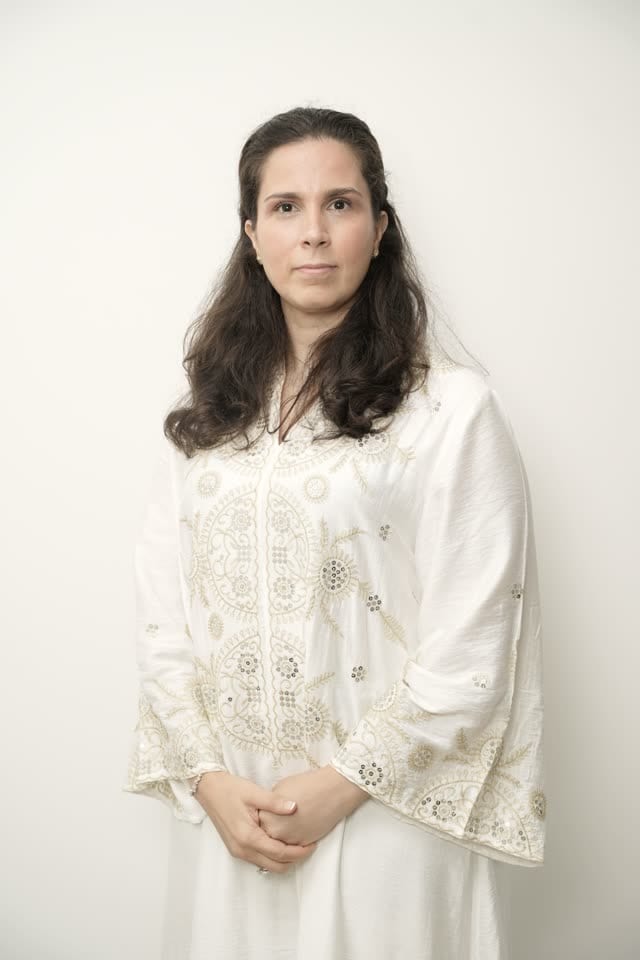
Dr. Sarah Bougary
Consultant Psychiatrist · Founder & Medical Director
A DHA-licensed consultant psychiatrist specialising in mood disorders and treatment-resistant depression. She leads every esketamine consultation and medication review at Monarch.
View full profile →
Amal Ali
Senior Clinical Nurse · Clinic Manager
A DHA-licensed senior clinical nurse with specialist Janssen-accredited training in esketamine administration and clinical monitoring. She is your dedicated nurse throughout your treatment.
View full profile →How esketamine treatment works
Initial consultation
A comprehensive psychiatric assessment to confirm your diagnosis, review your treatment history, and determine whether esketamine is clinically appropriate for you.
Treatment planning
If eligible, your psychiatrist discusses the plan in detail, completes informed consent, and arranges any baseline assessments needed before your first session.
Treatment sessions
Twice-weekly sessions for the first four weeks. Each session is approximately two hours at our clinic, with a clinical nurse present throughout.
Progress reviews
At regular intervals your psychiatrist reviews your response using a validated depression rating scale and adjusts your treatment plan accordingly.
Maintenance
Patients who respond well continue with less frequent sessions — weekly, fortnightly, or monthly — for as long as treatment remains clinically beneficial.
Treatment schedule
| Phase | Frequency | Duration |
|---|---|---|
| Induction | Twice weekly | 4 weeks (8 sessions) |
| Maintenance — Month 2 | Once weekly | Weeks 5–8 (4 sessions) |
| Maintenance — Ongoing | Fortnightly or monthly | As determined by your psychiatrist |
Esketamine is always prescribed alongside a concurrent oral antidepressant — this is a clinical requirement. Your psychiatrist will confirm your individual schedule at your consultation.
What to expect — from consultation to aftercare
Your initial consultation
Your first appointment is a dedicated psychiatric assessment — approximately 60 minutes — covering your full clinical history, your experience with previous treatments, any relevant health conditions, and your current symptoms. Your psychiatrist explains what esketamine treatment involves, outlines the potential benefits and risks, and determines whether it is clinically appropriate. There is no expectation to decide on the day.
Informed consent
Before your first session, you review and sign an informed consent form with your psychiatrist. This discussion ensures you understand the potential benefits, possible risks, side effects, and what to expect throughout treatment. You will have the opportunity to ask questions before deciding whether to proceed.
Before your first session
Once your eligibility and consent are complete, a small number of baseline assessments are arranged — blood pressure readings, blood tests, and a brief depression questionnaire. Your clinical team reviews all results before your first treatment date is confirmed.
Preparing for your session day
Food and drink
Have a light meal at least two hours before. Avoid eating heavily in the two hours beforehand, and avoid drinking anything in the 30 minutes before you arrive.
Nasal sprays
If you use a nasal corticosteroid or decongestant spray, do not use it in the hour before your session, as it can affect how the medication is absorbed.
Medications
Continue taking your regular medications as usual — including your antidepressant — unless your psychiatrist has advised otherwise.
Transport
Arrange your responsible person before your session day. Someone you trust must be available to collect you after every session. This is a clinical safety requirement.
What to wear
Comfortable clothing. You will be seated or gently reclined for approximately two hours.
Your comfort kit
We encourage patients to bring a small bag of personal comfort items to each session. Familiar items can make the experience feel more settled and personal. Things our patients often bring:
Hearing
Noise-cancelling headphones and a downloaded playlist. Music can shape your experience in a meaningful way.
Sight
A soft eye mask. Many patients find that reducing visual stimulation helps them feel calmer.
Touch
Comfortable socks, a favourite hoodie, or a small object from home. Familiar textures can be grounding.
Smell
An essential oil roller or hand cream in a familiar scent. Apply it to your wrist before the session begins.
Taste
Mints, a light snack, or a drink for the recovery phase, helpful as the session ends.
We provide blankets, and the room is private and comfortable. Ask our reception team for the full printable Comfort Kit preparation checklist.
Arriving at Monarch
Your responsible person is welcome to wait at the clinic or within the building. Our reception team will greet you, confirm your details, and notify your clinical team. Before your session begins, a member of the clinical team completes your pre-treatment assessment — including blood pressure, oxygen saturation, and a brief health review. Once all checks are confirmed, your psychiatrist reviews the results and authorises the session to proceed.
Your session
Your medication is collected from a nearby licensed pharmacy before your appointment. You hold the nasal spray device yourself and administer it under the direct observation of your nurse, who guides you through each step. After the dose you remain in the private treatment room for the full monitoring period. You are welcome to use your headphones, eye mask, and any comfort items you have brought. Your nurse checks on you at regular intervals, monitoring your blood pressure and oxygen levels and noting how you are responding.
You may experience dissociation during the session — a temporary shift in how you perceive your surroundings, time, or sense of self. This is a clinically expected effect of the medication, not a sign that something has gone wrong. It typically eases between 40 and 60 minutes after the dose and resolves before the session ends.
The two-hour monitoring period
After the dose, you remain at the clinic for a minimum of two hours. This is a clinical and regulatory requirement — not simply a precaution — because the effects of esketamine can continue to develop during this window, and your clinical team needs to be present to monitor your response. There is no expectation to sit upright or remain alert. Most patients find the monitoring period more comfortable than they anticipated.
Going home
Before you are discharged, a member of the clinical team confirms that all clinical criteria have been met — including stable blood pressure and oxygen levels, and that the dissociative effects have resolved. Your responsible person must be physically present before you leave, and both of you receive written post-session instructions.
After your session
On your treatment day:
- Do not drive for the rest of the day, including the evening. You may drive again the following morning after a full night’s sleep.
- Do not be alone — your responsible person should remain with you, or ensure someone else is available.
- Do not drink alcohol.
- Avoid making important decisions.
In the days that follow, some patients notice an improvement in mood relatively quickly; others feel tired and experience more gradual changes. Both responses are normal. If anything feels wrong — physically or emotionally — please contact us. If you are also working with a therapist or psychologist at Monarch, sessions in the days following treatment can be a valuable time to explore what arises during the recovery period.
FAQs
Frequently asked questions

Still have questions?
Our team is here to help. Get in touch for personalized answers.
They are closely related. Esketamine is a refined, clinically developed nasal spray derived from ketamine. Unlike ketamine used recreationally or intravenously, esketamine is administered in a controlled clinical dose in a supervised setting, under UAE regulatory approval. It is a prescription-only controlled medicine that cannot be obtained outside an approved healthcare facility.
Some patients notice an improvement within days of their first session. Others see more gradual change across the first two to four weeks. Individual responses vary, and your psychiatrist will review your progress at regular intervals and discuss your options openly throughout treatment.
You may experience dissociation — a temporary shift in how you perceive your surroundings, time, or sense of self. This is a known, expected effect of the medication. It typically peaks around 40 minutes after the dose and resolves before the session ends. Our clinical team monitors you closely throughout, and support is available if you experience any discomfort.
You can travel to the clinic independently, but you will not be discharged without a responsible person present. Someone you trust must be at the clinic and ready to take you home after every session. You will not be able to drive on your treatment day.
In most cases, no. Esketamine is designed to be prescribed alongside your existing antidepressant. Some medications may require review before you begin treatment. Your psychiatrist will assess your full medication history at your consultation.
Coverage varies by policy. Monarch operates on a pay-and-claim model — you pay at the time of each appointment and receive a fully itemised invoice to submit to your insurer. We recommend contacting your insurer in advance to confirm whether esketamine treatment is covered. If a prior authorisation letter is required, our psychiatrist can provide one.
Our clinical service fee covers your psychiatrist’s involvement, nursing care, monitoring, and use of the treatment room. The medication itself is a separate cost, dispensed by a licensed pharmacy and paid directly to the pharmacy. Please contact our reception team for current fee information.
You may choose to discontinue treatment at any time. If you decide to stop, your psychiatrist will discuss the most appropriate way to conclude your care.
Blood pressure is checked before every session. If the reading is above our clinical threshold, the session will be postponed until it falls within a safe range. Your clinical team will explain the next steps and help you rearrange your appointment.
We ask that your phone is on aeroplane mode during the session to avoid disruption. Any music or audio should be downloaded in advance rather than streamed. Your phone is available to use again once the monitoring period ends.
Our clinical team is present throughout your session. If you feel anxious, overwhelmed, or uncomfortable at any point, your nurse is there to support you. Most patients find that having clinical support nearby makes a significant difference, particularly during moments of disorientation.
The treatment room is a private clinical space. In most cases, your responsible person waits outside. If there is a specific clinical or personal reason for someone to be present, please discuss this with your clinical team in advance.
Ready to find out if esketamine is right for you?
The first step is a consultation with our Consultant Psychiatrist. There is no obligation to proceed following the consultation.
Esketamine is a prescription-only controlled medicine administered under UAE regulatory approval in a supervised clinical setting. Eligibility is determined by a consultant psychiatrist following a comprehensive assessment. This page is for general information and is not a substitute for individual medical advice.